


How to Repair Damaged Hair at Home
Key takeaways
- Damaged hair is a structural problem in the fiber's protein and its outer cuticle layer, so repair means reinforcing both, not just adding shine.
- A single 10-20 minute heat styling session can deposit upward of 10 billion nanoparticles in the respiratory system, and heat above 300 degrees Fahrenheit triggers rapid chemical release (Phys.org, 2025).
- Real recovery comes from balancing protein and moisture treatments across the week, not from one miracle product.
- Split ends cannot fuse back together, so trimming is the only fix once the fiber has frayed.
You can repair damaged hair at home by rebuilding the fiber's protein, restoring its moisture, and protecting the outer layer from further stress. What you cannot do is glue a split end back together, so part of the job is knowing when a treatment helps and when a trim is the honest answer.
This guide walks through how to read the damage, which treatments genuinely work, how protein and moisture balance each other, a weekly routine you can actually keep, and the point where scissors beat any mask.
What Are the Signs Your Hair Is Damaged?
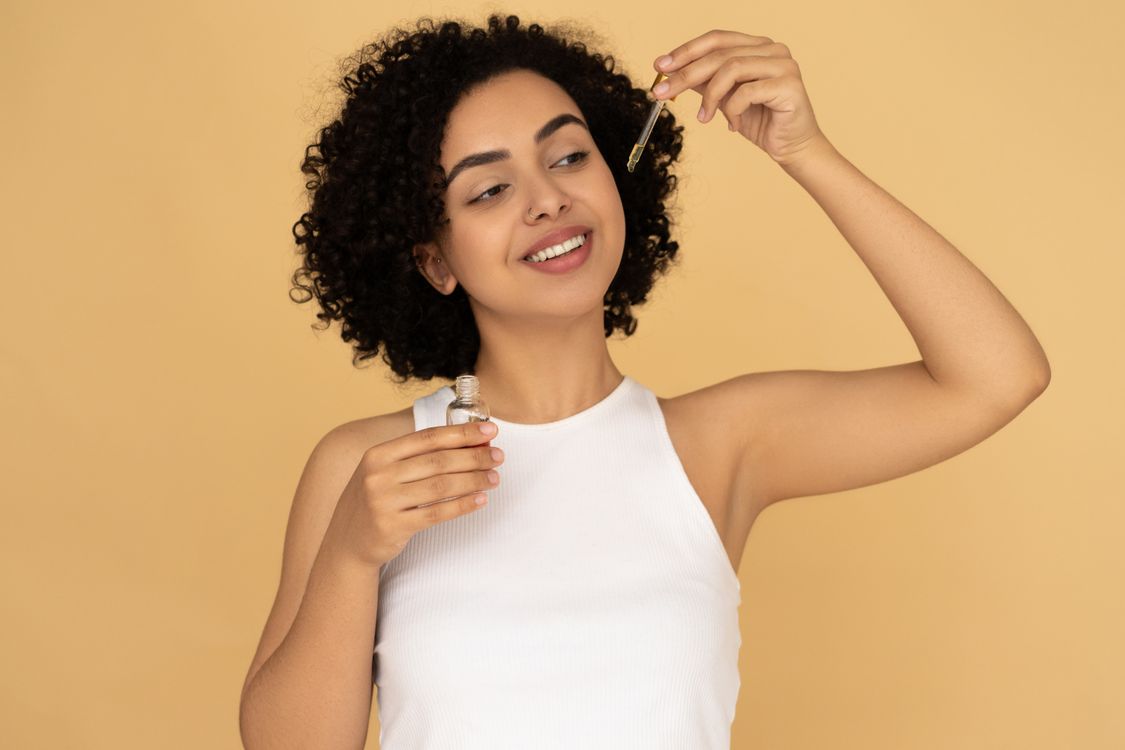
Damaged hair shows up as roughness, dullness, tangling, and strands that snap instead of stretch. Each hair is a protein fiber wrapped in a shingled outer layer called the cuticle. When that layer lifts or chips away, the inner core loses moisture and protein, and the strand stops reflecting light or holding together.
The usual culprits are heat styling, bleaching and coloring, sun exposure, and everyday friction from brushing or rough towel-drying. Heat is a big one. Styling tools running above 300 degrees Fahrenheit trigger rapid chemical release from hair products, and a single 10 to 20 minute heat routine can deposit upward of 10 billion nanoparticles in the respiratory system (Phys.org, 2025). The same heat that stresses your lungs also stresses the fiber.
Run a quick self-check:
- Strands feel straw-like or gritty when dry
- Hair tangles the moment you touch it
- Ends look pale, see-through, or forked
- A wet strand stretches and then snaps rather than springing back
- Color fades fast or grabs unevenly
If two or more of these sound familiar, your hair needs targeted repair, not just a richer shampoo.
Which DIY and Product Treatments Actually Work?
The treatments that work share one trait: they either refill what the fiber lost or seal the cuticle so it stops losing more. Deep conditioners, bond-building masks, and oils that penetrate the strand do real work. Quick rinse-out conditioners mostly smooth the surface for a few hours.
Here is where to put your effort:
- Deep conditioning masks. Leave them on 10 to 20 minutes under a warm towel so the ingredients have time to move into the fiber. This is the backbone of at-home repair.
- Bond-building treatments. These target the internal links inside the strand that bleaching and heat break. They are the closest thing to structural repair you can do at home.
- Penetrating oils. Coconut and similar oils can move into the hair shaft rather than just coating it, which helps reduce the swelling and water loss that weakens damaged strands.
- A gentler wash routine. Sulfate-free shampoo, lukewarm water, and a microfiber towel protect the progress your masks make.
A known DIY works too: a mask of mashed avocado with a spoon of oil gives a hit of lipids and moisture. It will not rebuild protein, but it softens and smooths while you sort out a product routine. If you want a reliable mask, a curated hair care range like the one from Lovelune Beauty covers both the protein and moisture sides without the kitchen cleanup.
Because damaged hair also behaves like thirsty skin, the same ordering logic from our guide to layering skincare products in the right order applies: thinnest and most active first, richest and most occlusive last.
Why Does Protein and Moisture Balance Matter So Much?
Repair fails most often because people chase one need and ignore the other. Hair is mostly protein, so protein treatments rebuild strength and fill gaps in a weakened fiber. Moisture treatments restore flexibility so strands bend instead of cracking. You need both, in rhythm.
Too much protein and too little moisture leaves hair stiff, brittle, and prone to snapping. Too much moisture and too little protein leaves it limp, mushy, and over-elastic, stretching like wet dough before it breaks. The sweet spot sits between those failures, and it shifts depending on your hair and how much damage it carries.
A simple read: if your hair feels gummy and refuses to hold any shape, it is begging for protein. If it feels hard, rough, and snaps easily, it has had too much protein and needs moisture. Adjust the balance by how your hair responds, not by a fixed formula.
How Do You Build a Weekly Hair Recovery Routine?
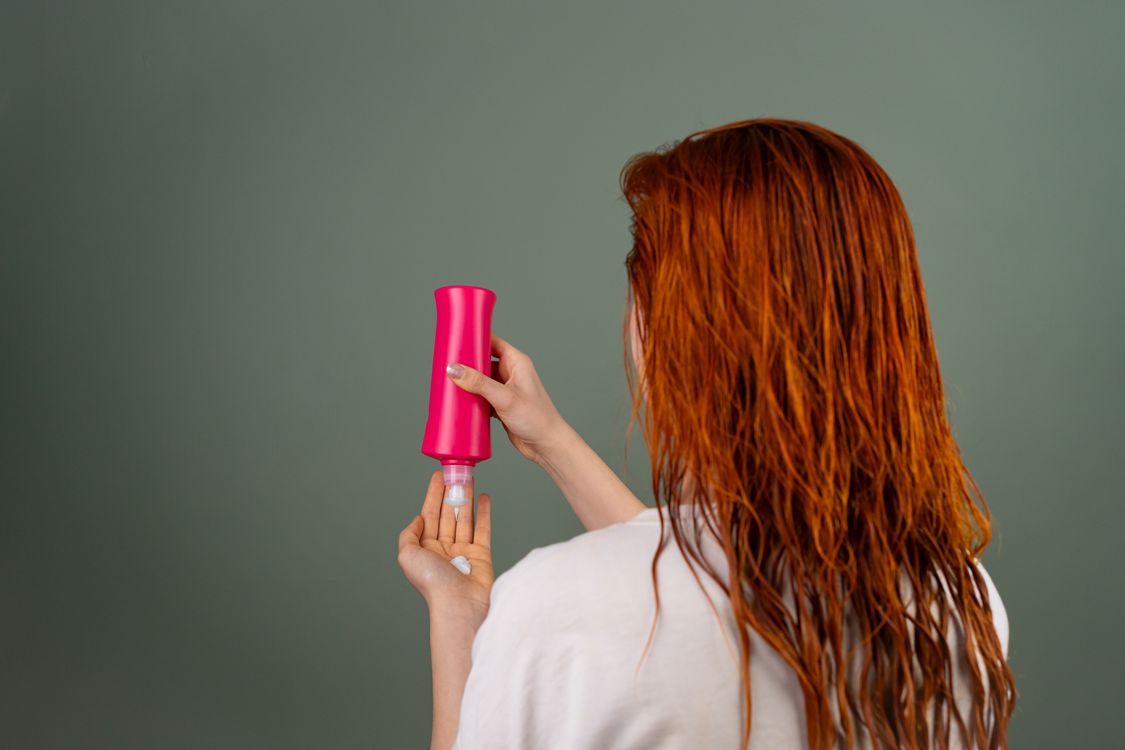
A recovery routine works when it is consistent and light enough to keep up. The core idea is to alternate protein and moisture through the week while cutting back on the heat and friction that caused the damage. Most people see steady change over four to eight weeks.
Here is a simple weekly template you can adjust:
- Wash day one: Sulfate-free shampoo, then a moisturizing deep mask for 15 minutes. Rinse with cool water to help the cuticle lie flat.
- Midweek: Skip heat styling. Air-dry, or use the lowest heat setting with a heat protectant.
- Wash day two: Shampoo, then a protein or bond-building treatment. Follow with a light conditioner so the hair does not end up over-proteined.
- Nightly: Loosely braid or wrap hair to cut friction against the pillow, and switch to a smoother pillowcase.
- Weekly check-in: Feel a wet strand. Gummy means more protein next time; brittle means more moisture.
Keep heat tools below the danger zone. Since products release chemicals rapidly above 300 degrees Fahrenheit, as the Phys.org reporting above notes, a lower setting protects both your hair and the air you breathe while styling. Protecting delicate spots helps too: the same shea butter that makes a good vegan lip balm so soothing is a gentle finisher for dry ends between washes.
When Should You Trim Instead of Treat?
Trim when the damage has reached the end of the strand and split, because a split end cannot fuse back together no matter what you apply. Treatments can strengthen the healthy fiber above the split and slow new fraying, but once a strand has forked, the only way to stop it from traveling up the shaft is to cut below the split.
Signs it is time for scissors rather than another mask:
- Ends are visibly forked, knotted, or white at the tips
- A single strand splits into two or three along its length
- Hair tangles at the ends no matter how much you condition
- You have treated consistently for weeks and the tips still feel dead
A small dusting trim every 8 to 12 weeks removes the worst damage and lets your treatments work on hair that can actually recover. Think of trimming and treating as partners: cut away what is beyond saving, then treat what remains.
Where to Start Today
Pick one problem and act on it this week rather than overhauling everything at once. If your hair snaps, start with a protein treatment. If it feels dry and dull, start with a deep moisturizing mask and drop your heat setting. Feel a wet strand after each wash and let its behavior tell you what to do next.
Give the routine a full month before you judge it. Repair is a cycle, not a single rinse, and the strand you protect today is the one that looks healthy two months from now.
Frequently asked questions
Can you actually repair damaged hair, or only hide it?
You can genuinely improve the fiber by refilling lost protein and restoring moisture, which strengthens strands and reduces breakage. You cannot reverse a split end. Once the fiber frays, trimming is the only real fix.
How often should I do a hair treatment at home?
Most people do well with one deep treatment per week, alternating between a protein mask and a moisturizing mask. Very fine or protein-sensitive hair may need protein less often, closer to every two weeks.
Is heat styling the main cause of damaged hair?
Heat is a major cause. Styling above 300 degrees Fahrenheit triggers rapid chemical release from products (Phys.org, 2025). Bleaching, tight styles, and rough towel-drying also weaken the fiber over time.
How long does it take to repair damaged hair at home?
Expect gradual change over four to eight weeks of consistent care. Treatments improve how strands feel almost immediately, but rebuilding strength and growing out damaged ends takes a full styling cycle or two.