


The Ultimate Guide to Body Exfoliation
Key takeaways
- Exfoliation removes dead surface cells so skin looks smoother and absorbs moisturizer better.
- Physical exfoliants use friction from scrubs or tools; chemical exfoliants use acids like AHAs and BHAs to loosen dead cells.
- Most skin types do well exfoliating one to three times a week; sensitive skin should stay at the lower end.
- The American Academy of Dermatology advises gentle circular motions for about 30 seconds, then rinsing well.
- Always follow exfoliation with moisturizer while skin is still damp to lock in hydration.
Body exfoliation is the process of removing dead cells from the surface of your skin so the fresh, smoother layer underneath can show through. Done correctly, it leaves skin softer, helps your moisturizers absorb better, and keeps rough patches on elbows, knees, and heels under control. This body exfoliation guide walks through why it works, the two main methods, how often to exfoliate for your skin type, a simple step-by-step routine, and the aftercare that makes the results last.
Why This Body Exfoliation Guide Starts With Smooth, Radiant Skin
Your skin renews itself constantly. Over a cycle that lasts roughly a month in younger adults and slows down as you age, new cells push up from the lower layers while older ones flake away at the surface. When that shedding process lags, dead cells pile up. The result is skin that looks dull and feels rough, and a layer that can trap sweat and oil in pores on the body.
Exfoliation clears that buildup. Buffing away the dead surface layer reveals the brighter skin beneath, smooths texture on areas prone to dryness, and lets lotions and body oils sink in instead of sitting on top. It can also help with common nuisances like body breakouts and the small rough bumps of keratosis pilaris on the arms and thighs.
Physical vs Chemical Body Exfoliants Explained
There are two broad ways to exfoliate, and the American Academy of Dermatology groups them as mechanical and chemical methods. Each has a place, and many people use both depending on the body part and the season.
Physical (Mechanical) Exfoliation
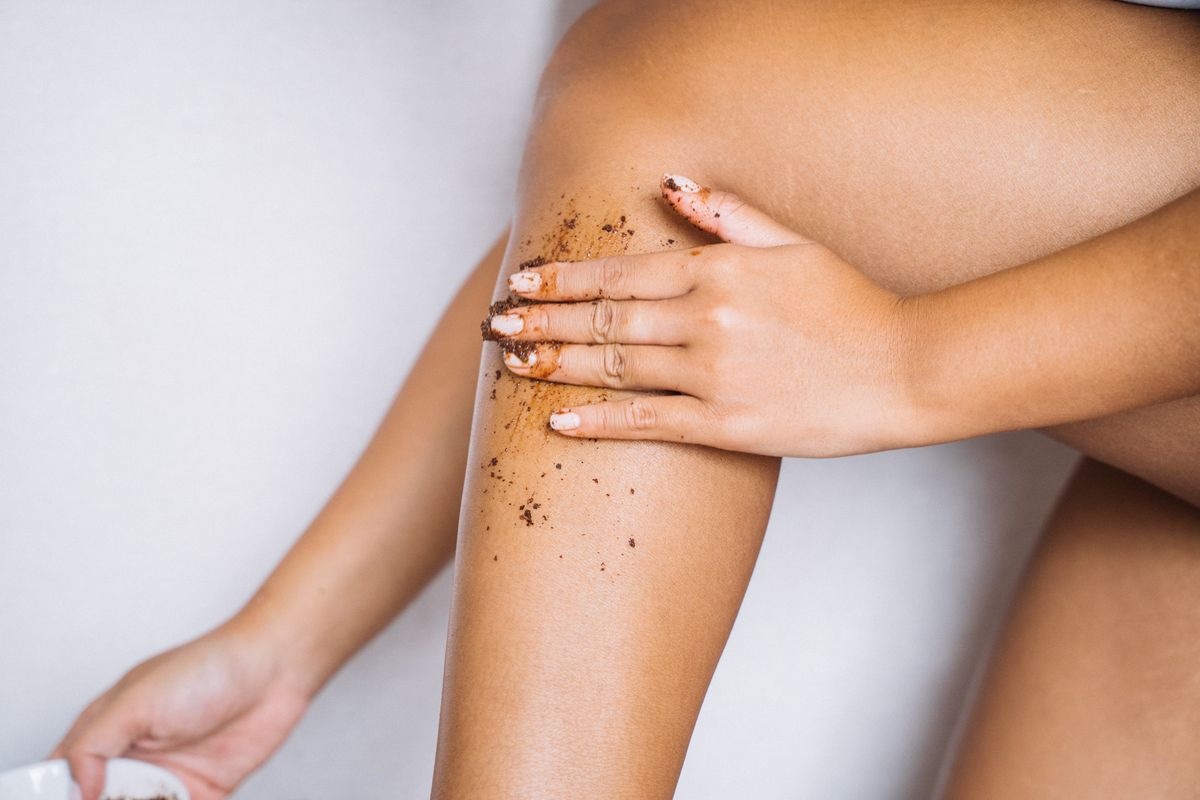
Physical exfoliation uses friction to lift dead cells off the surface. Common tools and products include:
- Body scrubs made with sugar, salt, ground seeds, or other gentle grains.
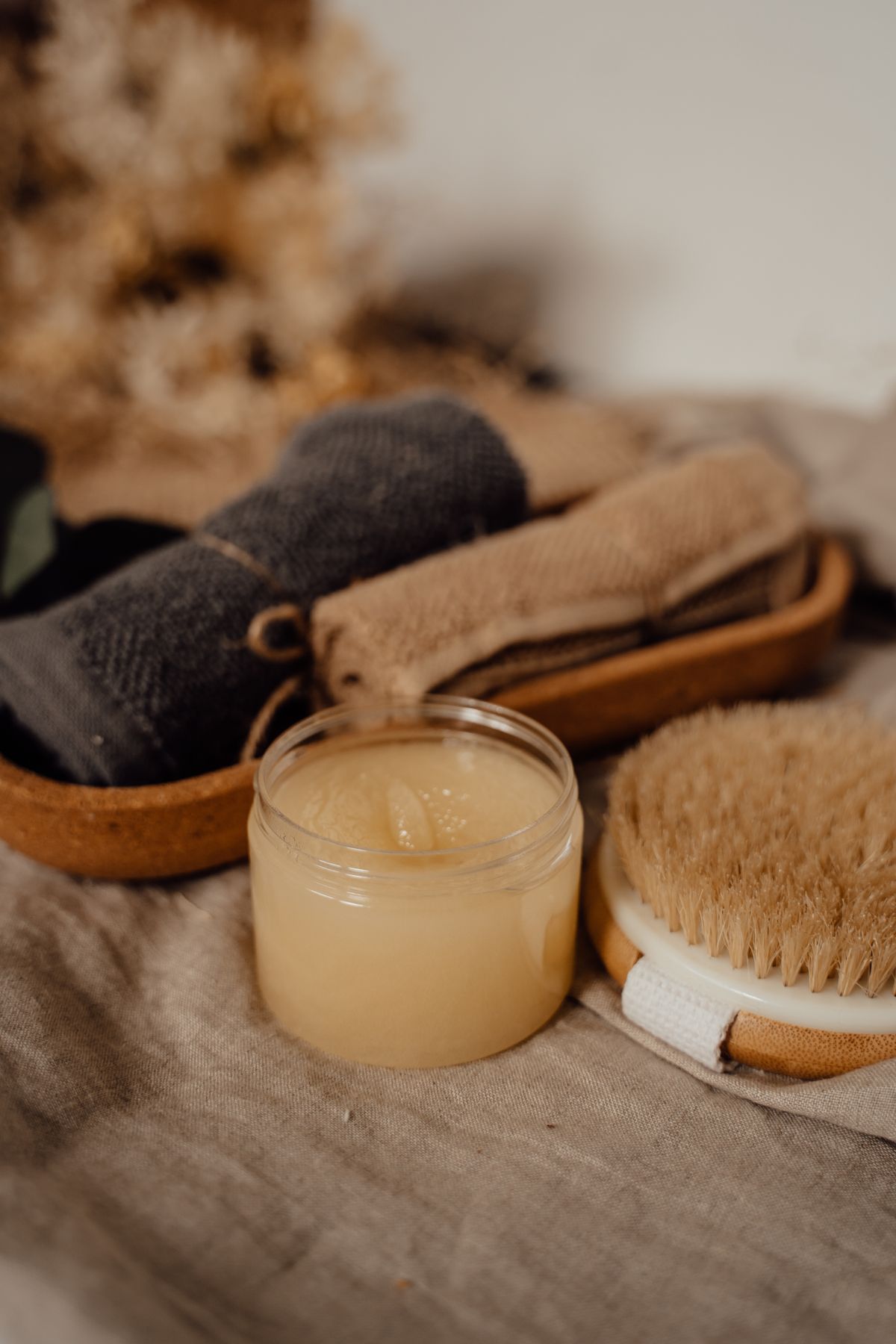
- Dry brushes with natural bristles used on dry skin before a shower.
- Exfoliating gloves, mitts, or washcloths that you work over damp skin.
- Pumice stones for thicker skin on heels and feet.
The upside is that it is immediate and satisfying, and you control the pressure. The risk is overdoing it: scrubbing too hard or with coarse grains can cause tiny tears and irritation. Gentle pressure is the goal, not force.
Chemical Exfoliation
Chemical exfoliants use acids to loosen the bonds that hold dead cells together, so they slough off without scrubbing. The two main families are:
- AHAs (alpha hydroxy acids) such as glycolic and lactic acid. These are water-soluble and work on the skin's surface, which makes them a good match for dryness, dullness, and uneven texture.
- BHAs (beta hydroxy acids), most commonly salicylic acid. These are oil-soluble, so they can get into pores, which makes them useful for oily or breakout-prone areas like the back and chest.
Chemical exfoliants spread evenly and tend to be gentler than aggressive scrubbing when used at a sensible strength. If you are building a wider body and face regimen, it helps to understand how to layer skincare products in the right order so your acids and moisturizers work together rather than against each other.
How Often to Exfoliate by Skin Type
More is not better. The right frequency depends on your skin type and the method you choose, and the general rule from dermatologists is that the more aggressive the exfoliation, the less often you should do it. Here is a practical starting point:
- Sensitive or reactive skin: once a week, using a mild chemical exfoliant or a soft cloth rather than a gritty scrub.
- Dry skin: once or twice a week, paired with generous moisturizing afterward.
- Normal skin: two times a week works well for most people.
- Oily or thicker skin: two to three times a week, and BHAs can help on the back and chest.
If your skin turns red, tight, stinging, or flaky, that is a sign to scale back. Over-exfoliation can leave skin irritated and compromise its barrier, which undoes the glow you were after. Skip exfoliation entirely on sunburned skin, open cuts, or active rashes, and be cautious if you use retinoids or benzoyl peroxide, since those already speed up cell turnover.
Step-by-Step Body Exfoliation Routine
Knowing how to exfoliate your body properly is mostly about pressure and patience. Follow these steps for a safe, effective session.
- Start with warm water. Spend a few minutes in a warm shower or bath first. Softened skin releases dead cells more easily, so you need less force.
- Apply your product gently. Whether you are using a scrub or a chemical exfoliant, move it over your skin in small, circular motions. The American Academy of Dermatology recommends working gently for about 30 seconds, then rinsing well.
- Focus on rough zones. Give a little extra attention to elbows, knees, heels, and the backs of the arms, where buildup collects. Keep the pressure light everywhere else.
- Avoid delicate and broken skin. Steer clear of any irritated patches, fresh cuts, or recently shaved areas.
- Rinse thoroughly. Wash away all product and grit with lukewarm water so nothing is left to clog pores or cause stinging.
- Pat, do not rub, dry. Use a soft towel and press the water off rather than dragging it across freshly exfoliated skin.
Keep the whole process short and gentle. If you are exfoliating before shaving, do it first so the razor glides over a clean surface and you lower the risk of ingrown hairs.
Aftercare Tips to Lock In Moisture
Exfoliation opens the door for hydration, so the minutes right after matter as much as the scrub itself. Freshly exfoliated skin has lost its top protective layer of dead cells and needs support to rebuild its barrier.
- Moisturize while damp. Apply a body lotion, cream, or oil within a few minutes of toweling off, while skin is still slightly moist. This traps water against the skin and seals in the softness.
- Reach for richer ingredients. Look for humectants like glycerin or hyaluronic acid to draw in water, plus emollients such as shea butter or ceramides to smooth the surface. Lovelune Beauty's body moisturizers pair these ingredients so freshly buffed skin stays soft rather than tight.
- Protect from the sun. Chemical exfoliants in particular can make skin more sensitive to UV light, so apply sunscreen to exposed areas before heading out.
- Give skin recovery time. Do not stack exfoliation with other strong actives on the same day, and wait until the next scheduled session before buffing again.
Hydration and gentle handling are what carry the glow from one session to the next. The same barrier-first thinking applies across your routine, including when you treat dryness or damage elsewhere, such as learning how to repair damaged hair at home.
A good next step is to pick one method that fits your skin type, start at the gentler end of the frequency range this week, and watch how your skin responds before adding anything stronger. If you want to go deeper on safe technique, the American Academy of Dermatology's guidance on exfoliating at home is a reliable, independent reference to keep on hand.
Frequently asked questions
How often should I exfoliate my body?
One to three times a week suits most people. Sensitive or dry skin should aim for once a week, while oily or thicker skin can usually handle two to three sessions.
What is the difference between physical and chemical body exfoliation?
Physical exfoliation uses friction from scrubs, brushes, or mitts to buff away dead cells. Chemical exfoliation uses acids such as AHAs or BHAs to dissolve the bonds holding dead cells to the skin.
Can I exfoliate every day?
Daily exfoliation is usually too much and can leave skin red, dry, and irritated. Most people get better results exfoliating a few times a week and letting skin recover in between.
Should I exfoliate before or after shaving?
Exfoliate before shaving. Clearing away dead cells first helps the razor glide and lowers the chance of ingrown hairs, but avoid scrubbing freshly shaved skin.