


Vegan Lip Balm with Shea Butter: Benefits & Picks
Key takeaways
- Shea butter is 80 to 90 percent fatty acids that match the skin's own lipids, so it softens and seals lips without the heavy feel of petroleum.
- Vegan means no animal ingredients like beeswax or lanolin; cruelty-free means no animal testing. The strongest formulas carry both claims.
- In a 2025 NSF survey, 74 percent of consumers said organic ingredients matter in personal care, which is why a short, readable ingredient list wins buyers.
- Look for shea butter, plant waxes, and vitamin E near the top of the list, and avoid petrolatum, parabens, carmine, and synthetic fragrance.
- Apply balm to clean, slightly damp lips and reapply after eating or drinking for the longest-lasting softness.
A vegan lip balm with shea butter gives you the same deep, lasting softness as a beeswax balm, minus the animal ingredients and the heavy petroleum feel. The reason comes down to shea butter itself, a plant fat whose fatty acids closely match the lipids already in your skin. If you are comparing lip balms and want one that actually repairs dry lips while fitting a cruelty-free routine, this guide covers what to look for, what to skip, and how Lovelune Beauty's balms stack up.
Dry lips are stubborn because the skin there is thin and has almost no oil glands of its own. That is why the right ingredients matter more than the price on the tube. A good vegan lip balm with shea butter does two jobs at once: it feeds the lips with nourishing fats and it seals that moisture in with plant wax.
What Makes Shea Butter Ideal for Lip Care?
Shea butter is one of the most effective plant-based emollients for lips because roughly 80 to 90 percent of it is fatty acids, mainly oleic and stearic acid, with a smaller unsaponifiable fraction carrying vitamin E and plant sterols. That lipid profile is close to the skin's own, so it absorbs and rebuilds the barrier instead of just sitting on top.
Those fats do the heavy lifting for soft lips. Oleic and stearic acid fill the gaps between skin cells, which slows the water loss that leaves lips cracked and flaky. The vitamin E content adds antioxidant protection, and the sterols calm the kind of irritation that comes with winter wind or indoor heating.
Compared with petroleum jelly, shea butter feels lighter and does more than block moisture loss. Petrolatum forms a seal but adds nothing nourishing underneath it. Shea butter seals and feeds at the same time, which is why it stays a staple in clean lip care. Peer-reviewed research on the plant fat's fatty acid and vitamin E content backs up what your lips feel after a week of regular use.
Why Vegan and Cruelty-Free Formulas Matter
Shoppers increasingly want to know exactly what is in their products and how those products are made. In a 2025 NSF survey of 1,000 Americans, 74 percent said organic ingredients are important in personal care, and 65 percent wanted a clear ingredient list so they could spot anything harmful (NSF, 2025). A vegan, cruelty-free label answers both of those demands directly.
The two terms are not interchangeable. Vegan means the formula contains no animal-derived ingredients. For lip balm, that rules out beeswax, lanolin, honey, and carmine, the red dye made from crushed insects. Cruelty-free means no part of the product was tested on animals. A balm can be vegan but still tested on animals, or cruelty-free but made with beeswax, so the strongest products carry both claims.
That same NSF survey found 45 percent of consumers were willing to pay more for certified personal care products with organic ingredients, a figure that climbed to 62 percent among people aged 18 to 29. For a younger, values-driven buyer, a vegan shea butter balm is not a compromise. It is the reason they pick one brand over another.
Key Ingredients to Look For and Ones to Avoid
A quality vegan lip balm with shea butter keeps its label short and readable, with nourishing plant oils and waxes near the top. The best formulas pair shea butter with plant waxes and a plant-based antioxidant, and they leave out the fillers that offer no benefit to thin lip skin.
Here is what belongs in a good formula:
- Shea butter (Butyrospermum parkii) as the core emollient
- Candelilla or carnauba wax, the vegan stand-ins for beeswax that seal in moisture
- Plant oils such as coconut, jojoba, or sunflower for extra softening
- Vitamin E (tocopherol) for antioxidant protection
- Plant-derived squalane for lightweight, non-greasy hydration
And here is what conscious shoppers tend to avoid:
- Petrolatum, which seals but does not nourish
- Parabens and phthalates, flagged over endocrine concerns
- Synthetic fragrance or "parfum," a common irritant on sensitive lips
- Beeswax, lanolin, and carmine, all animal-derived and not vegan
When you scan a label, the order matters. Ingredients appear by weight, so shea butter and plant oils should sit near the top, not buried under wax and synthetic additives. If you want to cross-check an unfamiliar ingredient, the Environmental Working Group's Skin Deep database rates cosmetic ingredients for safety concerns.
How Lovelune Beauty's Shea Butter Lip Balms Compare
Lovelune Beauty builds its shea butter lip balms around the short-label standard above: shea butter and plant oils up front, plant wax to seal, and no beeswax, lanolin, parabens, or synthetic fragrance. For a shopper comparing options, that means the value shows up in the formula, not just the packaging.
The lip balm category is competitive and growing, which gives buyers plenty to weigh. The global lip balm market reached 3.31 billion dollars in 2025 and is projected to climb to 5.65 billion by 2033 (SkyQuest, 2025). More brands means more choices, and more label-reading, before you buy.
Where Lovelune Beauty stands out is the pairing of a clean, fully vegan formula with a price that sits well below many prestige clean-beauty balms. You get shea butter as a lead ingredient and a cruelty-free guarantee without paying a luxury markup. For a buyer who reads labels and watches the total at checkout, that combination is the practical case for choosing it.
Tips for Applying Lip Balm for Maximum Softness
The way you apply lip balm changes how well it works, so a few small habits go a long way. The goal is to trap moisture on the lips rather than coat dry, flaky skin that the balm cannot reach.
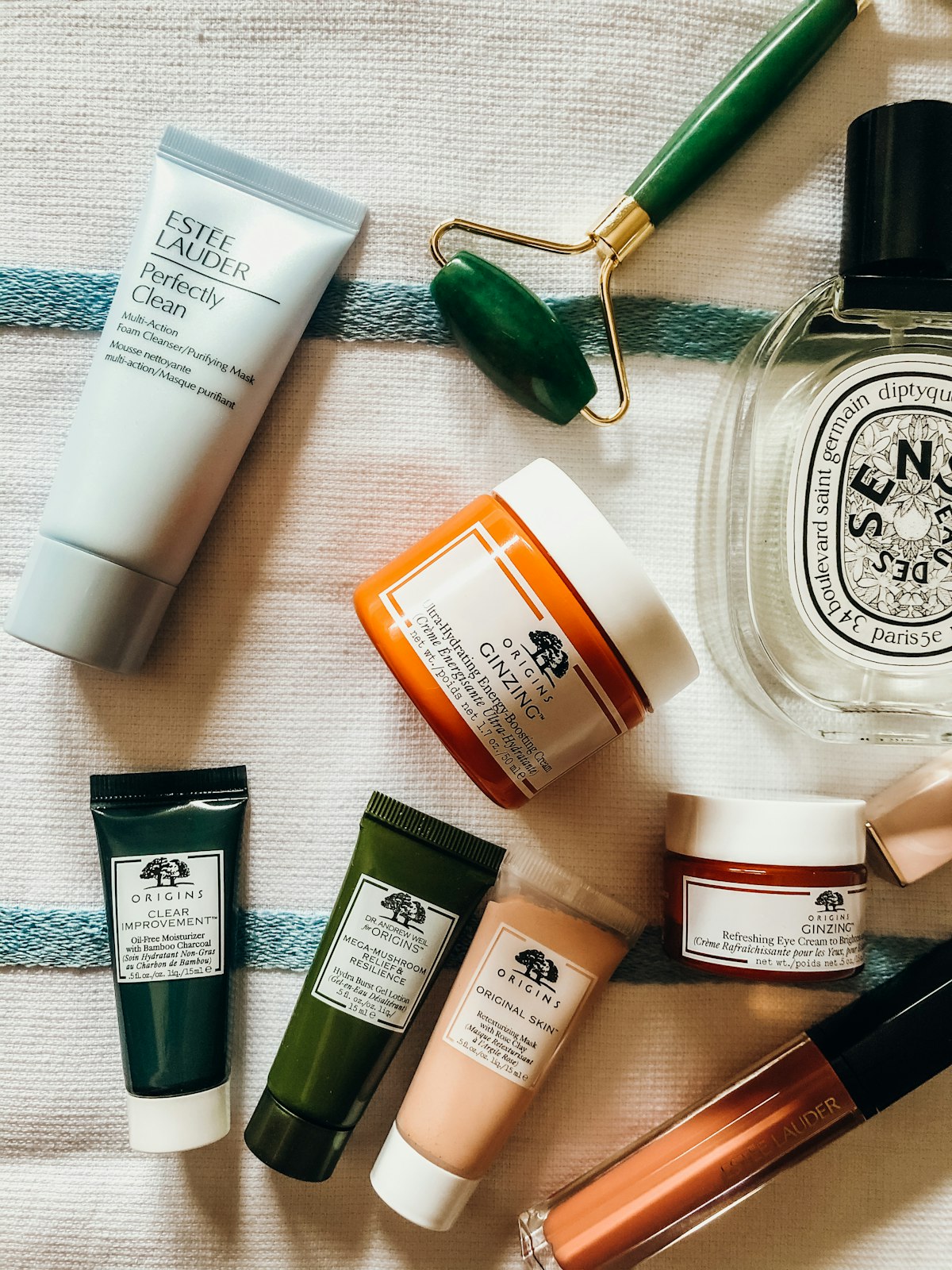
Follow these steps for the best results:
- Start with clean, slightly damp lips. Applying over a thin layer of water helps the shea butter seal that moisture in.
- Gently exfoliate once or twice a week. A soft toothbrush or a sugar scrub lifts dead skin so the balm can absorb.
- Reapply after eating or drinking. Food and liquids wipe balm away, leaving lips open to dry air.
- Use a thicker layer overnight. Lips repair while you sleep, and shea butter's fatty acids feed that recovery.
- Reach for it before cold or wind. A pre-emptive layer protects better than treating cracked lips after the fact.
Consistency beats quantity. A thin layer applied several times a day keeps lips supple far better than one heavy coat in the morning that wears off by noon. If your lips crack in the same spot every winter, that pattern usually points to a weak barrier rather than a one-off dry day, and daily shea butter is what rebuilds it over time.
One more habit helps: avoid licking your lips when they feel dry. Saliva evaporates fast and takes surface moisture with it, which is why a quick lick feels good for a second and worse a minute later. Keep a balm within reach instead, and let the shea butter and plant wax do the work your saliva cannot.
The next step is simple: read the back of whatever balm you currently use. If you spot beeswax, petrolatum, or synthetic fragrance near the top, swap it for a vegan shea butter balm with a short, plant-based label, and give your lips two weeks to show the difference.
Frequently asked questions
Is shea butter good for chapped lips?
Yes. Shea butter is rich in oleic and stearic fatty acids plus vitamin E, which soften rough skin and help rebuild the lip's moisture barrier. It works best applied to clean, slightly damp lips.
What is the difference between vegan and cruelty-free lip balm?
Vegan means the formula contains no animal-derived ingredients such as beeswax, lanolin, honey, or carmine. Cruelty-free means it was not tested on animals. A product can be one without the other, so check for both.
Which lip balm ingredients should I avoid?
Conscious shoppers often skip petrolatum, parabens, synthetic fragrance, phthalates, and carmine. Beeswax and lanolin are also avoided by anyone wanting a vegan formula, since both come from animals.
How often should I apply shea butter lip balm?
Apply in the morning, before bed, and whenever lips feel tight. Reapply after eating or drinking, since food and liquids wipe the balm away and leave lips exposed to dry air.
Does vegan lip balm work as well as beeswax balm?
Yes. Plant waxes like candelilla and carnauba seal in moisture just as effectively as beeswax, and shea butter adds nourishing fatty acids. The result is comparable protection without any animal ingredients.